The answer
Tides would shrink to the Sun's small share, nights would be much darker, and over very long times Earth's tilt could wobble more.
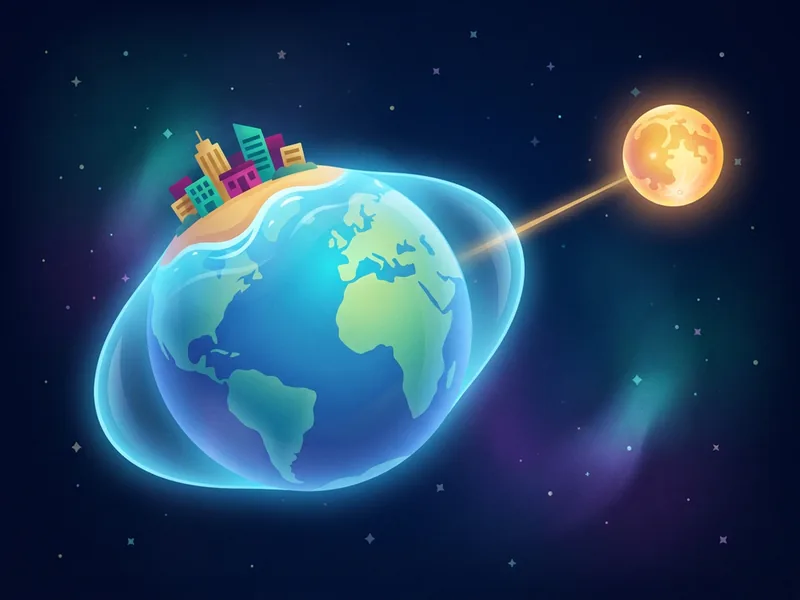
First, the part physics is sure about. The Moon's gravity makes most of our tides. The Sun makes the rest, about 46% as much as the Moon. Without the Moon there would still be small tides from the Sun, but no more extra-big spring tides, and every coast would see much less change between high and low water.
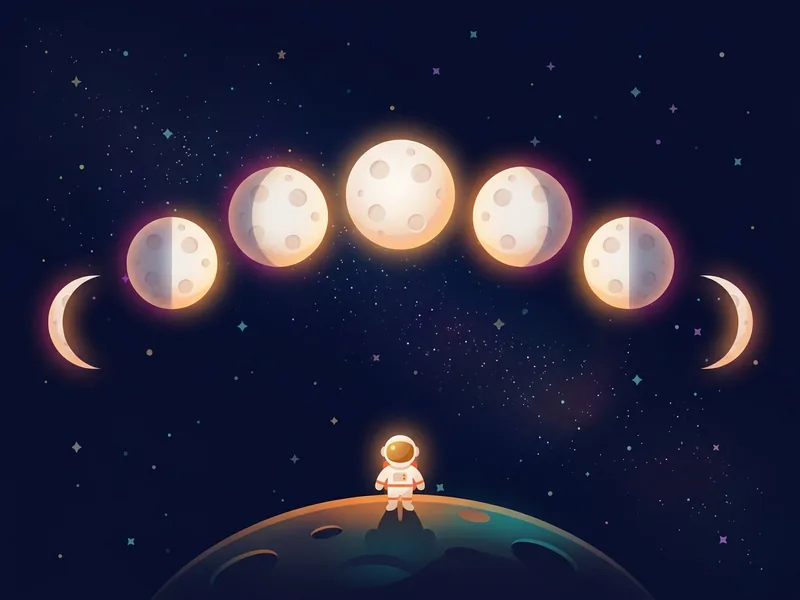
Nights would be darker. A full moon is by far the brightest thing in the night sky. Without it, every night would be like a new moon night. Animals that use moonlight to hunt, hide or time their lives, like corals that spawn by the full moon, would be thrown off.
Earth's orbit around the Sun would hardly change, because the Moon has only about 1.2% of Earth's mass.
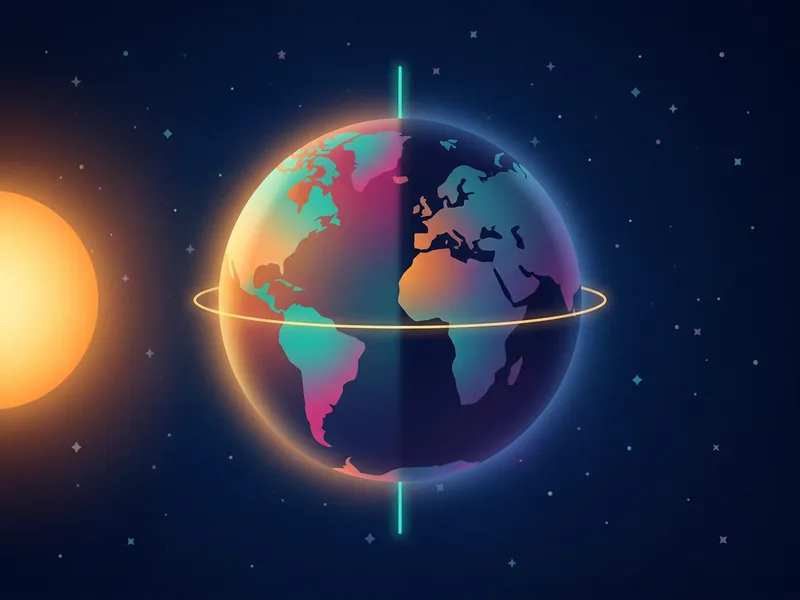
The long-term part is less certain. Today Earth's tilt only rocks a little, between about 22 and 24.5 degrees over tens of thousands of years, and the Moon's pull is part of what keeps it steady. Without the Moon, scientists aren't sure how much the tilt would wander over millions of years. Some early studies found it could swing wildly; later ones found the changes would be slower and smaller. Big changes in tilt would mean big changes in climate.
What we know and what we don't
What physics tells us
- Tides would shrink to the Sun's part, about 46% of the Moon's tidal pull, with no spring or neap tides.
- Nights would be much darker, without moonlight.
- Earth's orbit around the Sun would barely change.
Scientists aren't sure
- How much Earth's tilt would wander over millions of years. Models disagree on how large and how fast the changes would be.
- Exactly how life that times itself by the Moon would adapt.
Go deeper
Why? Is the Moon really moving away?
Yes, slowly. Laser beams bounced off mirrors that Apollo astronauts left on the Moon show it drifts about 3.8 cm farther from Earth every year, about as fast as your fingernails grow.
Why? Would our days get longer or shorter?
The Moon's tides slowly put the brakes on Earth's spin, which is why days are getting longer by a tiny amount each century. Without the Moon, that braking would mostly stop, so days would stop lengthening as fast. Nothing would change suddenly.
Why? Why are spring tides bigger?
At new and full moon, the Sun, Moon and Earth line up, so their tides add together. At the quarter moons they pull at right angles and partly cancel. Without the Moon, there'd be just the Sun's steady, small tide.
Keep wondering
Sources
- Tides, NASA Science
- Stabilization of the Earth's obliquity by the Moon (Laskar, Joutel and Robutel), Nature, 1993
- Obliquity variations of a moonless Earth (Lissauer, Barnes and Chambers), Icarus, 2012