The answer
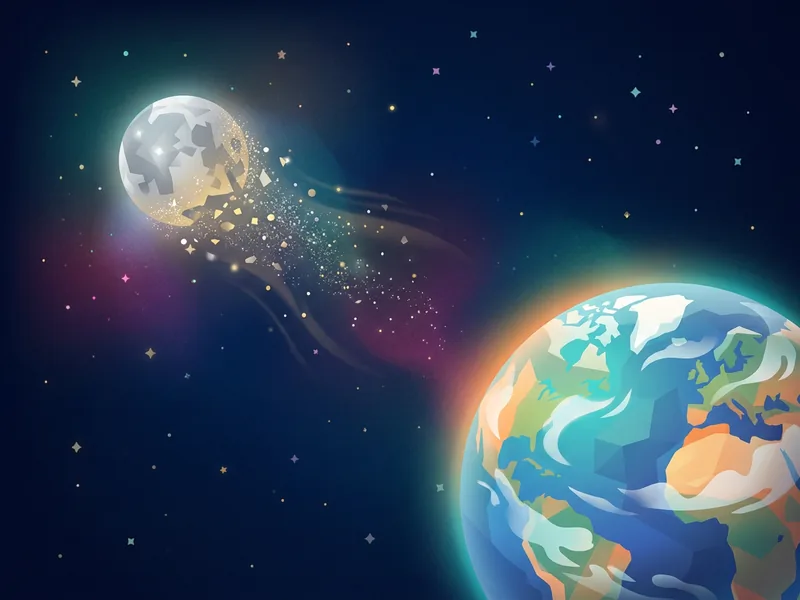
The Moon's gravity pulls harder on the near side of Earth than the far side, stretching the oceans into two bulges that Earth turns through each day.
Gravity gets weaker with distance. The side of Earth facing the Moon is about 12,700 km closer to it than the far side, so the Moon pulls the near-side ocean a bit more than Earth's centre, and Earth's centre a bit more than the far-side ocean.
That difference in pull stretches Earth's oceans along the line to the Moon: one bulge toward the Moon and another on the opposite side. Places under a bulge have high tide; places in between have low tide.
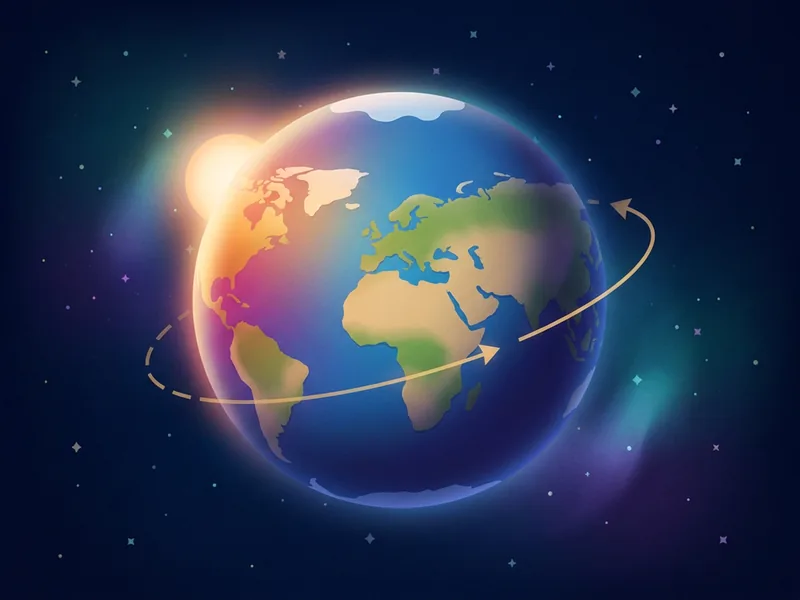
Earth spins once a day through both bulges, so most coasts get two high tides and two low tides. Because the Moon also moves along its orbit, the pattern shifts about 50 minutes later each day.
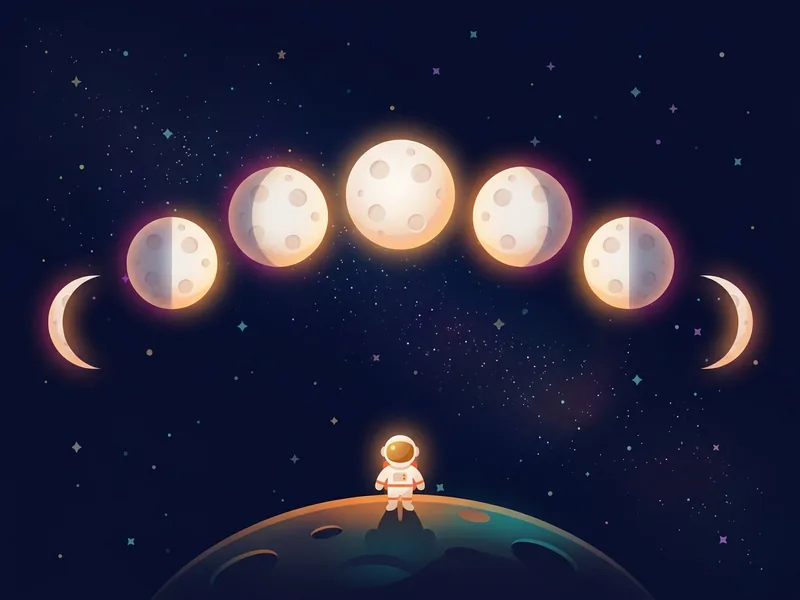
The Sun makes tides too, a little under half as strong as the Moon's. When the Sun, Moon and Earth line up, at new and full moon, their tides add up into extra-big spring tides. When they're at right angles, at the quarter moons, they partly cancel into small neap tides.
Go deeper
Why? If the Sun is so much bigger, why are its tides weaker?
Tides come from the difference in pull across Earth, not the pull itself. That difference shrinks very fast with distance (with the distance cubed). The Sun is about 390 times farther away than the Moon, which more than cancels out its huge mass.
Why? Why are tides huge in some places and tiny in others?
The shape of coastlines and the sea floor matters a lot. In Canada's Bay of Fundy, the bay's shape makes the water slosh in step with the tides, and the difference between high and low tide can be over 15 metres.
Why? Does the Moon pull on lakes and on you?
Yes, but the effect on a lake is only millimetres, too small to notice, and on a person it's far too tiny to feel. Earth's solid rock also bulges by a few tens of centimetres every day.
Keep wondering
Sources
- Tides and Water Levels: What Causes Tides?, NOAA Ocean Service
- What is a spring tide?, NOAA Ocean Service
- Tides, NASA Science